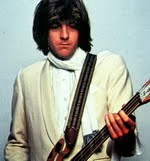
THE SIDEWINDERS (1972)

A New York friend of Paley's, Richard Robinson (husband of the rock columnist Lisa Robinson) visited Boston in the summer of 1971. Record corporation RCA had recently cleared house and Dennis Katz, manager of Blood, Sweat and Tears, and brother of band member Steve Katz was brought in for A &R. When Katz and RCA president Rocco Laginestra signed an inordinate number of ew acts, trying to quell the company's previous buffoonery, Catfish Black (now the Sidewinders) were included.
(Note: When the band hit New York, they learned of a band with a too-similar moniker and changed their name to the Sidewinders after a line in Roger McGuinn's "Chestnut Mare.") Now the Sidewinders were slated to hit the studio under Robinson's production direction for RCA Records.
A week prior to the studio, Richard Robinson rang and informed the band that he was off to London to produce ol' Lou Reed's first solo LP. He also informed the band that his dear friend, Lenny Kaye, later of Patti Smith fortune, was to fill his shoes. The band was too naive to question the situation. The session got off on a positive note. The new direction of RCA and its enthusiasm helped. Fellow label mate, David Bowie, was among the many who slipped through to check out how things were going. Katz was happy. Andy spent the session saying everything was going to be ok. Keep positive. Eric didn't necessarily trust Lenny. Mike was doing a lot of reading. Henry was trying to adjust to a newly found wealth. Leigh was unavailable for comment. One of those cultural phenomena followed. After an infamous Cambridge Boathouse bash, the album was released to mixed radio feelings and excellent press. Billboard Pick of the Week, and those wonderful reviews in Circus, Creem, Variety and Rolling Stone. The record sold well, ironically, in Texas and some scatterings around the country. The record, however, flopped in general.
(Note: When the band hit New York, they learned of a band with a too-similar moniker and changed their name to the Sidewinders after a line in Roger McGuinn's "Chestnut Mare.") Now the Sidewinders were slated to hit the studio under Robinson's production direction for RCA Records.
A week prior to the studio, Richard Robinson rang and informed the band that he was off to London to produce ol' Lou Reed's first solo LP. He also informed the band that his dear friend, Lenny Kaye, later of Patti Smith fortune, was to fill his shoes. The band was too naive to question the situation. The session got off on a positive note. The new direction of RCA and its enthusiasm helped. Fellow label mate, David Bowie, was among the many who slipped through to check out how things were going. Katz was happy. Andy spent the session saying everything was going to be ok. Keep positive. Eric didn't necessarily trust Lenny. Mike was doing a lot of reading. Henry was trying to adjust to a newly found wealth. Leigh was unavailable for comment. One of those cultural phenomena followed. After an infamous Cambridge Boathouse bash, the album was released to mixed radio feelings and excellent press. Billboard Pick of the Week, and those wonderful reviews in Circus, Creem, Variety and Rolling Stone. The record sold well, ironically, in Texas and some scatterings around the country. The record, however, flopped in general.

Songs
Bad Dreams / Superhit / Moonshine / The Bumble Bee / Told You So / Rendezvous / O Miss Mary / Got You Down / Slip Away / Reputation / Parade